Variation of Hickory Cold-Smoked Sharp Cheddar
Published by Shannon Grendahl
The quick answer
- Smoker Temp
- 80°F
- Wood
- Pecan
- Est. Cook Time
- 4 hr
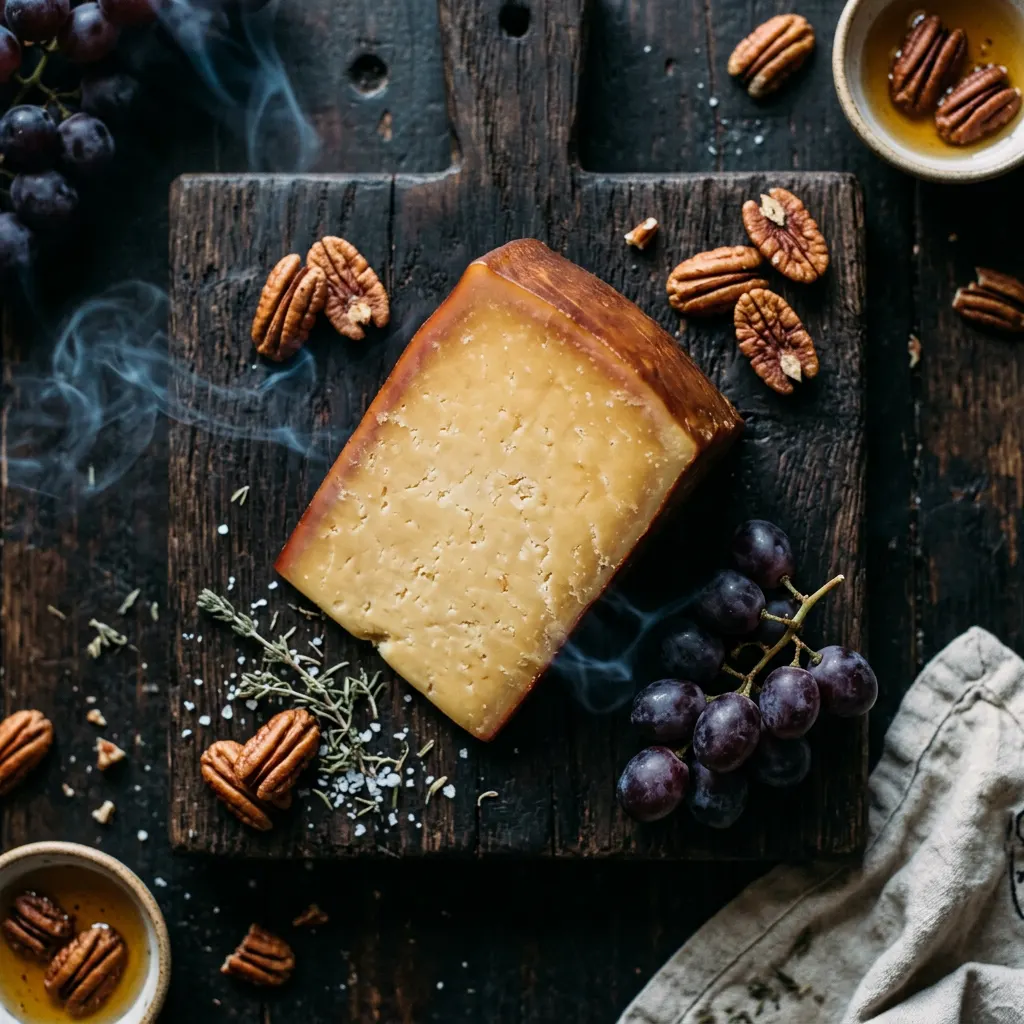
4 hours of pecan smoke under 85°F, rest 2 weeks vacuum-sealed.
Cook Mode
One step at a time, big text, timers, and your screen stays awake. 0/9 steps done.
Ingredients
Tap to tick off · 0/16 gathered
Method
- 10 min
Unwrap the cheddar cheese blocks. Using paper towels, gently pat the entire surface of each block dry. Place the dry cheese blocks on a wire rack set on top of a baking sheet. Ensure there is good airflow around each block.
Why it matters
A dry surface allows smoke to adhere more effectively and creates a better pellicle, which is crucial for optimal smoke absorption.
Common mistake
Skipping the drying step leads to uneven smoke penetration and a less robust smoky flavor.
- 4h
Place the cut cheese blocks on a wire rack, ensuring no pieces are touching. Leave them uncovered in the refrigerator for at least 4 hours, or overnight. This allows a 'pellicle' to form.
Why it matters
A dry surface (pellicle) helps smoke adhere better to the cheese, resulting in a more robust and uniform smoky flavor. Excess moisture can lead to bitter, acrid smoke flavor.
Common mistake
Skipping this step leads to a less effective smoke ring and a potentially less intense flavor.
- 80°F30 min
Prepare your smoker for cold smoking. This typically involves using a cold smoke generator (e.g., a 'smoke tube' or 'maze smoker') filled with pecan pellets/chips, placed inside the main cooking chamber. The goal is to generate ample smoke without raising the internal temperature above 85°F. If your ambient temperature is warm, consider adding a pan of ice to the smoker or smoking early in the morning/late evening.
Why it matters
Maintaining a low temperature is paramount to prevent the cheese from melting or becoming oily, while still allowing smoke infusion.
Common mistake
Allowing the smoker temperature to rise too high will melt the cheese and ruin its texture. Always monitor the internal temp with a reliable thermometer.
- 5 min
Ignite the pecan pellets in your cold smoke generator according to its instructions. Ensure a steady, thin blue smoke is produced, avoiding thick white smoke, which can impart a bitter flavor.
Why it matters
Thin blue smoke indicates clean combustion and desirable flavor compounds. Thick white smoke often signifies incomplete combustion and can lead to acrid, unpleasant flavors.
Common mistake
Using too many pellets or improper airflow, leading to thick, acrid smoke.
- 80°F4h
Once the smoker is producing a consistent, clean pecan smoke at a temperature below 85°F, place the pellicle-formed cheese blocks (on their wire rack) into the smoker. Ensure good air circulation around each block. Close the smoker and cold smoke for 4 hours.
Why it matters
The low temperature and slow, consistent smoke infusion allow the cheese to absorb the pecan flavor without overcooking or melting, creating a balanced smoky profile.
Common mistake
Over-smoking can lead to an acrid or overly intense flavor. Four hours with pecan produces a pleasant, noticeable smoke.
- 24h
After 4 hours of smoking, remove the cheese from the smoker. Place the smoked cheese blocks on a clean wire rack and refrigerate, uncovered, for at least 24 hours.
Why it matters
This chilling period allows some of the harsh surface smoke compounds to dissipate, preventing the cheese from tasting too acrid. It also sets the smoke flavor.
Common mistake
Immediately vacuum sealing after smoking traps excess harsh smoke, leading to an unbalanced, overly intense smoke flavor.
- 5 min
After the refrigerated rest, vacuum-seal each cold, surface-dry block in a separate bag.
Why it matters
Vacuum sealing is critical as it creates an anaerobic environment that prevents mold growth and facilitates the migration of smoke compounds throughout the cheese.
Common mistake
Improper sealing or not vacuum sealing at all will lead to uneven flavor development, potential mold, and a much shorter shelf life.
- 336h
Store the vacuum-sealed smoked cheddar in a refrigerator for a minimum of two weeks. For optimal flavor development, a three to four-week aging period is recommended.
Why it matters
This curing period is where the magic happens. The smoke flavor mellows and permeates fully through the cheese, moving beyond just the surface and developing a complex, integrated taste profile.
Common mistake
Eating the cheese immediately after smoking, resulting in a harsh, acrid smoke flavor concentrated only on the exterior.
- 30 min
After the aging period, remove the cheese from the refrigerator. Open the vacuum seal bag and allow the cheese to breathe for about 15-30 minutes before slicing and serving. This allows the flavors to open up.
Why it matters
Allowing the cheese to warm slightly and breathe after aging brings out its full aromatic and flavor profile.
Common mistake
Serving straight from the fridge can mute the complex flavors that have developed during smoking and aging.
Smoking this for the weekend? Send this recipe to your crew.
Free 12-Page Guide
The Pitmaster Field Manual
Five core habits, meat and wood reference charts, rub formulas, and a printable cook log. Download the free manual and join the Guild email list for new recipes and techniques.
Cooks & Reviews
Guild members can rate this recipe, log their cooks and share photos.
Sign in to continueMember reviews
No reviews yet — be the first to rate this cook.
Ask the Pitmaster about this recipe
Substitutions, scaling, technique, troubleshooting — get answers grounded in this cook.
Sign in to try the AI Pitmaster on Variation of Hickory Cold-Smoked Sharp Cheddar. New members get 3 free questions.
Sign in to tryComments(0)
Loading comments…